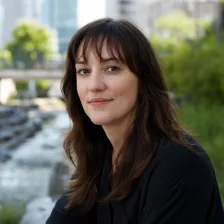
I moved to Seoul seven years ago after what was meant to be a one-year relocation, and I ended up building my daily life here instead of leaving on schedule. My first flat was in Sinchon, close enough to walk to Yonsei and Ewha, and I learned the city through ordinary routines rather than sightseeing: topping up my T-money card, finding the quickest transfer at Gongdeok, and figuring out which neighbourhood bakery opened before the subway rush. Later I spent time in Mangwon and now live on the east side, which has given me a wider sense of how differently the city works from district to district, even within the same subway line.

One thing that often surprises visitors from home is how varied Seoul feels once you move beyond the postcard stops. People expect a city of skyscrapers, cosmetics shops, and late nights, but everyday Seoul is also local markets, apartment streets, hiking paths behind residential blocks, and small restaurants that close early because they serve office workers at lunch. South Korea can look seamless from the outside, yet practical details matter here: cafés may not open as early as you expect, intercity buses can be easier than trains for some routes, and a place in Ikseon-dong can feel crowded and curated while a few stops away in Euljiro the atmosphere changes completely.

When I write guides, I verify details the way I plan my own week. I cross-check opening hours on Naver Map and the venue's Korean-language channels, then confirm again if a listing looks old or inconsistent. For prices, I use current menus, ticket pages, and in-person checks when I am already nearby, especially in places where translated information lags behind. If a route involves transfers, I test it with the actual station exits and line changes, because the difference between Line 2 at Hongdae and Line 9 at Express Bus Terminal is not academic when you are carrying luggage. If a guide includes a partner link, I state that plainly and I do not let it decide what gets included.

I write for readers from home who want more than broad advice like stay in Myeong-dong and buy a rail pass. I remember the questions I had when I first arrived from an English-speaking country: how much cash to carry, whether a guesthouse lane is manageable with a suitcase, when a palace area is quiet enough to enjoy, or which side of the Han River makes sense for your schedule. Because I have spent years doing school runs, airport trips, hospital visits, weekend walks in Seongsu, and rainy-day museum detours in Jongno, I can explain Seoul as a lived city, not just a checklist.